
Bermuda Triangle Travel Guide: What Is Real, What Is Myth, and How to Visit Bermuda
A practical Bermuda Triangle travel guide covering the legend, Bermuda's real attractions, how to get there, where to stay and how to plan a useful island trip.
By Wajeeha Iqbal
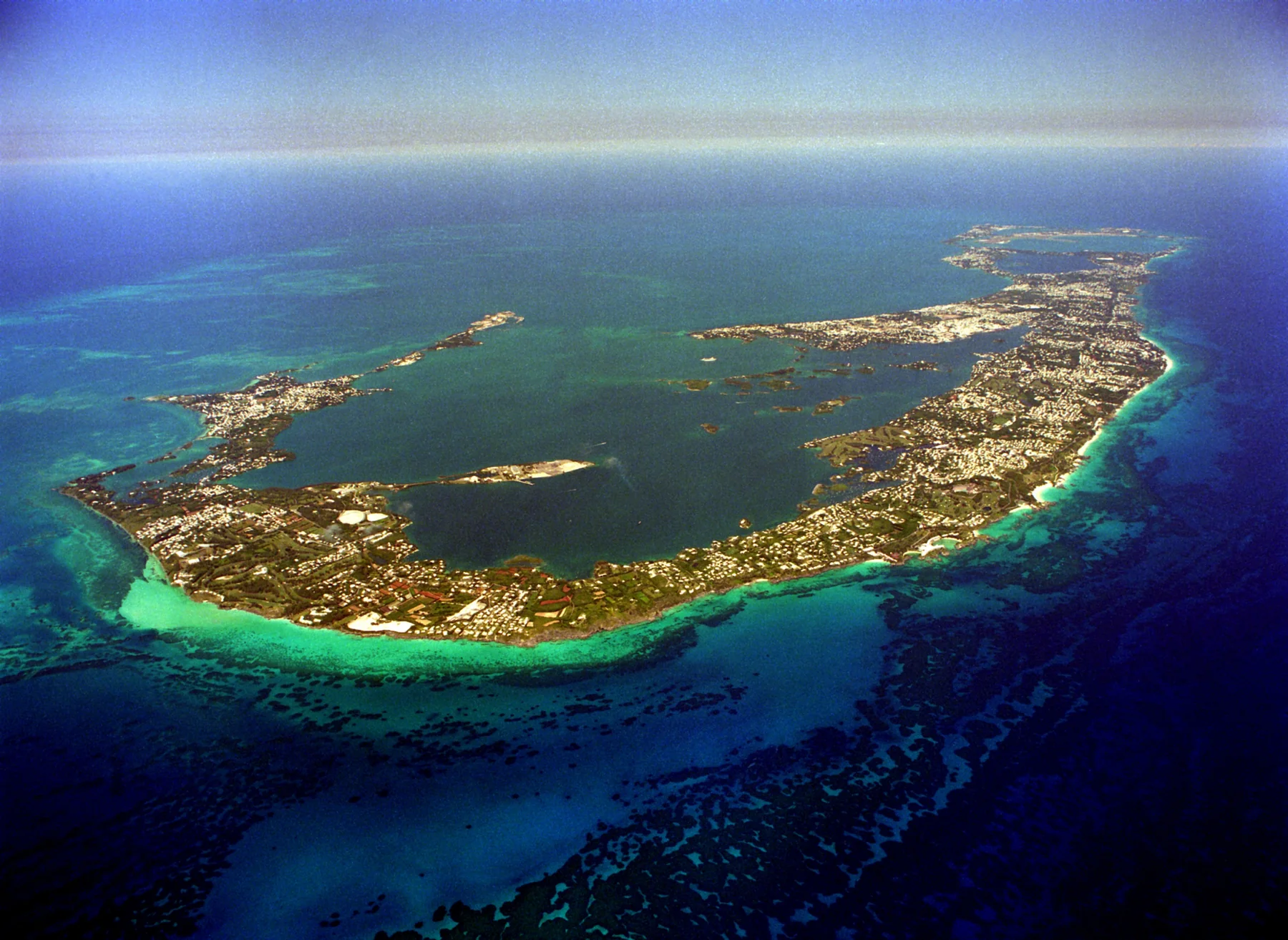
The Bermuda Triangle is one of the world’s most searched travel mysteries, but the best reason to plan a trip is not to hunt for supernatural explanations. Bermuda itself is a compact Atlantic island destination with pink-sand beaches, limestone coves, historic forts, sailing, diving and a strong maritime identity. The famous triangle is a loosely defined area often drawn between Bermuda, Florida and Puerto Rico; it is not an official geographic zone with a controlled border. Treat the legend as cultural context and the island as the real destination.
How to get to Bermuda
Bermuda is reached most easily by air, with L.F. Wade International Airport serving the island. The Bermuda Tourism Authority notes that flights from New York can take roughly 90 minutes, while several major US East Coast cities are around two to three hours away. Cruise ships are another major arrival option. For affiliate planning later, this article is intentionally structured so flight-search, airport-transfer, cruise and hotel links can be inserted without rewriting the guide.
Where to stay and what to do
Hamilton is the practical choice for travelers who want restaurants, shops, ferries and an urban base. The South Shore is better for beach-focused trips, while St. George’s suits visitors interested in history and a quieter atmosphere. Key experiences include Horseshoe Bay, coastal walks, snorkeling or diving, the old town of St. George’s, ferry rides and exploring the island’s forts. Bermuda’s official visitor guides also publish seasonal ferry and bus schedules, which are worth checking shortly before travel.
Is the Bermuda Triangle dangerous to visit?
There is no tourism checkpoint where you “enter the Bermuda Triangle,” and a normal trip to Bermuda does not require special mystery-themed safety equipment. Travelers should focus on ordinary marine and weather risks, reputable operators, travel insurance and current transport information. Stories about vanished ships and aircraft are part of the region’s popular culture, but they should not replace verifiable navigation, weather and safety information. That distinction makes the topic more useful for readers and prevents sensational claims from becoming travel advice.
A simple 3-day plan
Day one can combine Hamilton with a ferry ride and waterfront evening. Day two works well for the South Shore, Horseshoe Bay and a snorkeling or diving excursion. Day three can focus on St. George’s, forts and local history. Travelers with more time can add kayaking, sailing or a slower beach day. Before booking, compare accommodation by parish rather than only by hotel star rating: location affects ferry access, beach time and taxi costs.
Booking notes for future affiliate links
The most natural commercial sections are flights to Bermuda, hotels by parish, cruise options, airport transfers, diving or sailing tours and travel insurance. Keep prices dynamic instead of hard-coding them because airfares, room rates and seasonal schedules change. Always label affiliate links clearly when they are added.
Sources and planning references
- Bermuda Tourism Authority: https://www.gotobermuda.com/
- Official Bermuda visitor guides and transport information: https://www.gotobermuda.com/plan/official-visitor-guides
Photo credit
Featured photograph: PH1 Doolittle, USN, Public Domain Mark 1.0. The photograph is resized and converted to WebP for web delivery.


