
Great Barrier Reef Travel Guide: Best Gateways, Reef Trips and Where to Stay
A practical Great Barrier Reef guide covering Cairns, Port Douglas, Whitsundays, reef tours, island stays and how to choose the right gateway.
By Wajeeha Iqbal
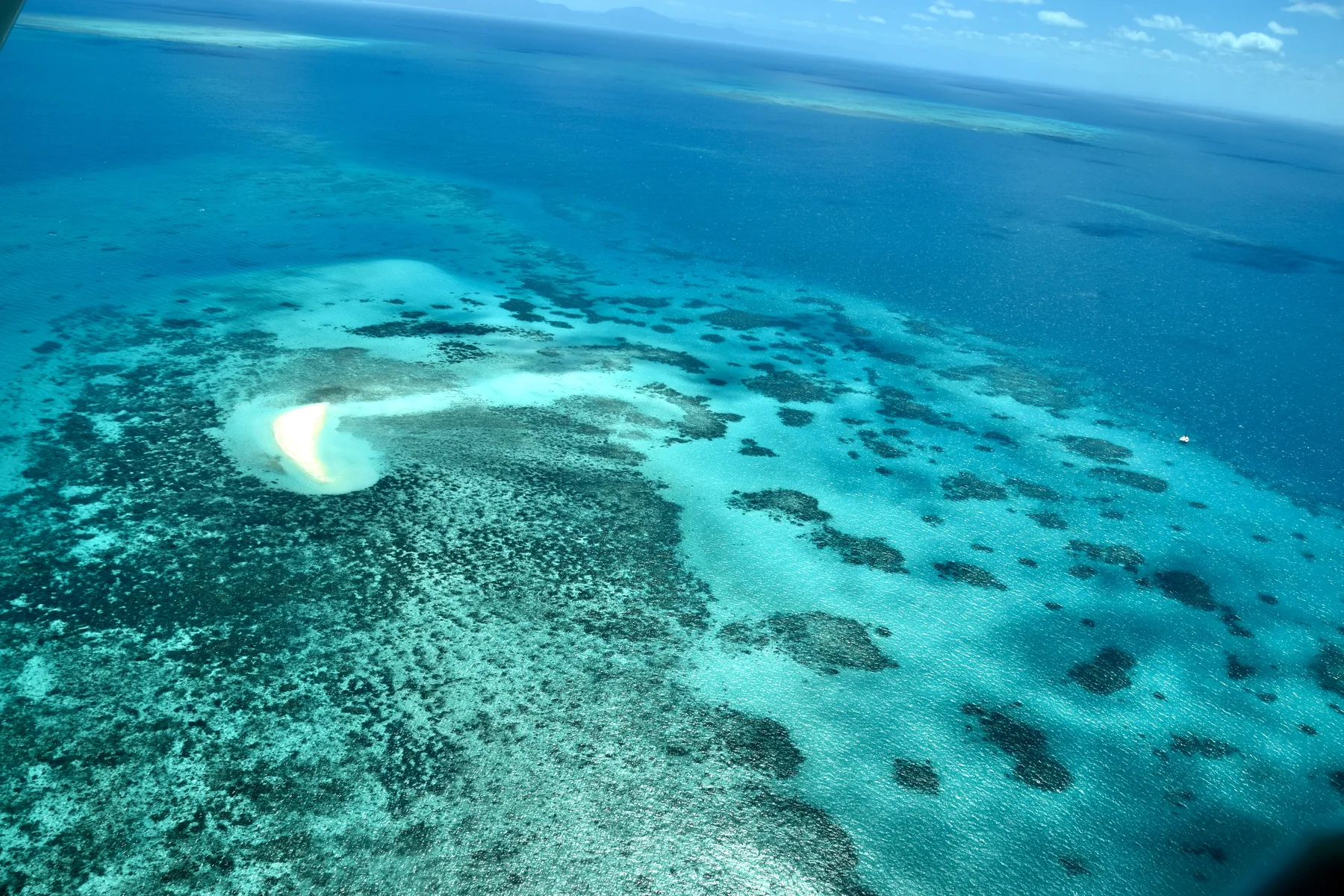
The Great Barrier Reef is not a single beach or one departure pier. It stretches for roughly 2,300 kilometres along Queensland, so the first planning decision is choosing the right gateway. Cairns is popular for first-time visitors because it combines airport access, many day boats and nearby rainforest. Port Douglas offers a smaller resort-town feel, the Whitsundays combine sailing with island scenery, and the southern reef provides different wildlife and island experiences.
How to get there
International travelers can connect through major Australian cities or, on some routes, fly directly into Cairns. Tourism Australia identifies Cairns, Townsville, the Airlie Beach/Proserpine area and Hamilton Island among important gateways. Once on the coast, visitors normally reach outer-reef sites, pontoons or islands by boat, while some itineraries use small aircraft or helicopters. Future affiliate sections can therefore separate flights, coastal hotels, reef cruises and island resorts instead of mixing them into one search box.
Snorkeling, diving or staying on an island?
A day trip is the easiest introduction and works well for travelers with limited time. Certified divers can choose operators offering deeper or more specialized sites, while non-divers can still snorkel, use semi-submersibles or glass-bottom boats on selected trips. Island stays suit travelers who want a slower pace and repeated water access. The best product is not always the cheapest: compare travel time to the reef, group size, included equipment, marine fees, accessibility and what happens in poor weather.
Best time and wildlife expectations
Queensland’s tropical climate varies by region, and wildlife seasons also differ. Tourism Australia notes seasonal opportunities such as whales, turtles and manta rays in different parts of the reef. Travelers should choose dates based on their preferred gateway and activity rather than expecting one universal “best month.” Visibility and sea conditions can change day to day, so operators remain the best source for current conditions.
Reef-safe planning
The Great Barrier Reef is a living ecosystem. Choose accredited or conservation-minded operators, follow instructions about touching coral and wildlife, and avoid treating wildlife encounters as guaranteed performances. If you are not a confident swimmer, tell the crew before entering the water. Families and older travelers should check boarding steps, flotation support, shade and transfer times before booking.
Where to stay
Cairns is best for maximum tour choice and easy logistics. Port Douglas suits a quieter tropical base with access to reef and rainforest. Airlie Beach is popular for Whitsunday sailing and a lively traveler scene, while Hamilton Island is convenient for people who prefer a resort island. A useful affiliate comparison later should group hotels by gateway and trip style, not simply rank the most expensive properties.
Sources and planning references
- Tourism Australia Great Barrier Reef guide: https://www.australia.com/en-us/places/cairns-and-surrounds/guide-to-the-great-barrier-reef.html
- Tourism Australia reef experiences: https://www.australia.com/en-us/places/cairns-and-surrounds/what-to-do-at-great-barrier-reef.html
Photo credit
Featured photograph: Ank Kumar, CC BY-SA 4.0. The photograph is resized and converted to WebP for web delivery.


