
How to Visit Antarctica: Expedition Routes, Costs to Plan For, and Responsible Travel
A practical guide to visiting Antarctica, including expedition routes, gateway cities, responsible-tourism rules, trip planning and future booking sections.
By Wajeeha Iqbal
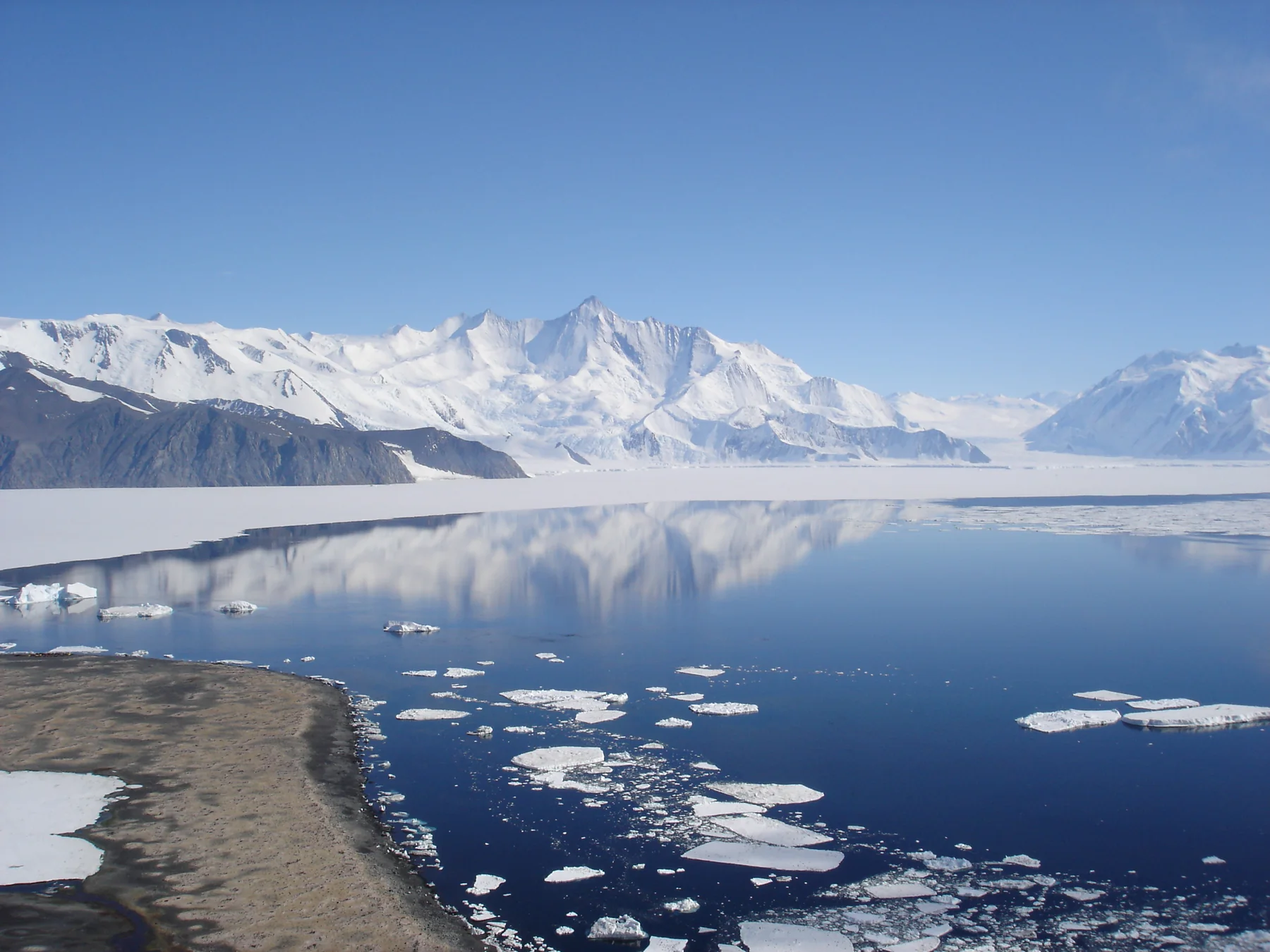
Antarctica is not a conventional country break. There are no ordinary city hotels, highways or independent sightseeing circuits across the continent. Most leisure visitors join organized expedition voyages, usually focused on the Antarctic Peninsula, where landings and wildlife viewing depend on sea, ice and weather conditions. The attraction is the scale of the landscape: icebergs, glaciers, seabirds, seals, penguins and a sense of distance that is difficult to reproduce elsewhere.
How travelers usually reach Antarctica
A common route begins in southern South America, particularly Ushuaia in Argentina, followed by an expedition ship crossing the Drake Passage toward the Antarctic Peninsula. Some itineraries combine flights with ship travel to reduce sea time, while longer voyages may include South Georgia or the Falkland Islands. Because operators, departure ports and aviation arrangements change, compare the full itinerary rather than buying only on headline price. Flight links to the gateway city, pre-cruise hotels, expedition cabins and insurance are natural places for future affiliate links.
When to go
The main visitor season falls during the austral spring and summer, broadly from late October into March. Early season can bring dramatic snow and ice; mid-season offers very long daylight and active wildlife; later voyages may see different penguin and whale activity. There is no guarantee of a specific landing or animal encounter. Expedition leaders change plans when wind, sea ice, swell or wildlife protection requires it, so flexibility is part of the product rather than a failure of the itinerary.
Responsible travel is not optional
The International Association of Antarctica Tour Operators emphasizes that Antarctica is protected under the Antarctic Treaty System and environmental rules. Visitors should follow expedition briefings, keep appropriate distance from wildlife, avoid introducing non-native material, respect protected areas and never remove rocks, bones, plants or artifacts. Travelers should also understand that Antarctica is remote and rescue cannot be assumed. Choosing a well-run operator, carrying suitable insurance and following guide instructions matter more here than in ordinary resort travel.
What to budget beyond the cabin fare
The advertised voyage price may not represent the complete trip. Budget for international flights, gateway-city hotels, transfers, cold-weather gear not supplied by the operator, gratuities where applicable, insurance and optional activities such as kayaking or camping. Some expedition companies include parkas, boots or charter flights; others charge separately. A future affiliate section should therefore compare inclusions, not just cabin categories.
Who should choose this trip
Antarctica suits travelers who value nature, photography, wildlife and expedition-style uncertainty more than nightlife or fixed sightseeing schedules. Mobility requirements vary by ship and landing method, so ask detailed accessibility questions before paying a deposit. For many visitors, a smaller number of carefully planned days in the gateway city plus a well-matched expedition is better than choosing the longest itinerary available.
Sources and planning references
- IAATO visitor guidance: https://iaato.org/visiting-antarctica
- IAATO expedition preparation: https://iaato.org/visiting-antarctica/preparing-for-your-expedition/
- IAATO guidance during visits: https://iaato.org/visiting-antarctica/during-your-visit
Photo credit
Featured photograph: Andrew Mandemaker, CC BY-SA 2.5. The photograph is resized and converted to WebP for web delivery.


