
Iceland Golden Circle Travel Guide: Route, Stops, Driving and Where to Stay
A practical Golden Circle guide covering Thingvellir, Geysir, Gullfoss, self-driving, tours, overnight options and weather-aware planning.
By Wajeeha Iqbal
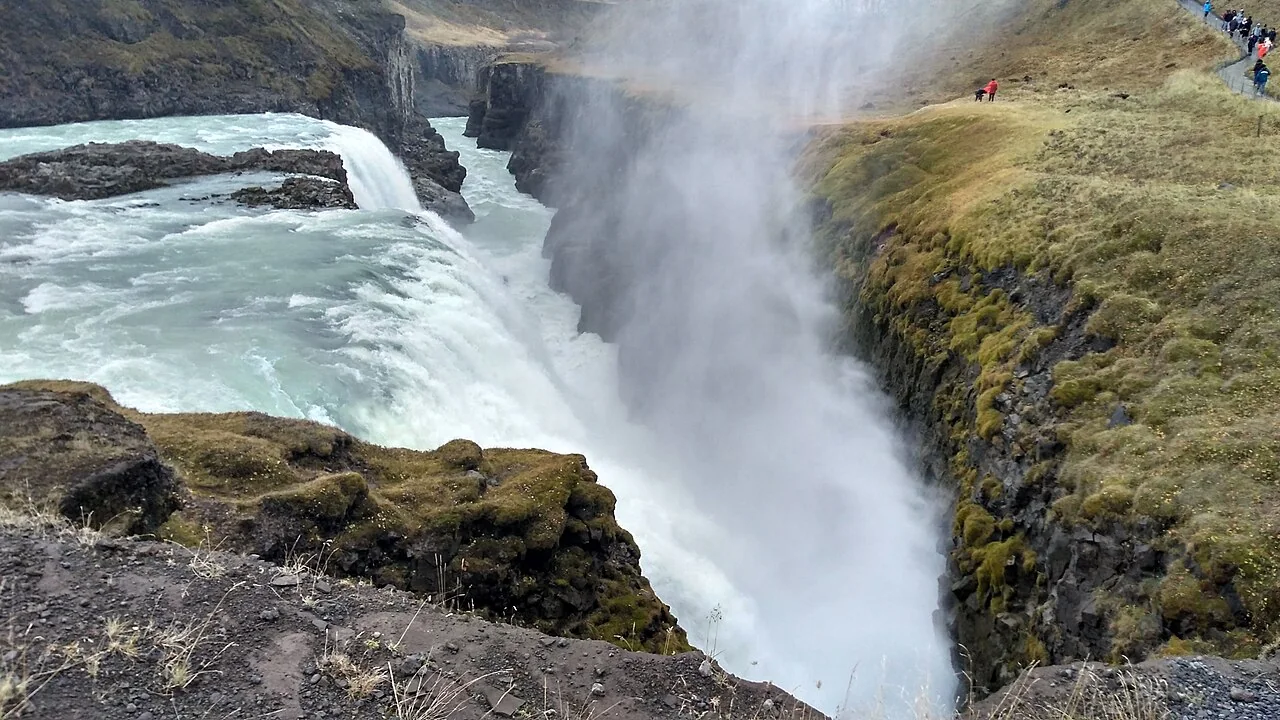
The Golden Circle is popular because it packages several of Iceland’s most distinctive landscapes into an easy route from Reykjavík. The classic trio is Þingvellir National Park, the Geysir geothermal area and Gullfoss waterfall, but travelers can add geothermal bathing, farms, volcanic craters and smaller stops if daylight and road conditions allow.
Self-drive or tour?
A rental car gives the most control over timing and side stops, while organized tours remove the responsibility of driving in unfamiliar weather. In summer, long daylight makes flexible road trips easier. In winter, snow, wind, ice and short daylight can change the calculation quickly. Visit Iceland links travelers to official road and safe-travel information, which should be checked on the day rather than only when the itinerary is booked.
The three essential stops
Þingvellir combines geology, landscape and Icelandic history. The Geysir area is a geothermal field where Strokkur provides the regular eruptive spectacle most visitors expect. Gullfoss is a powerful multi-stage waterfall and can feel very different with summer greenery, winter snow or low-angle light. These stops are popular for good reason, but they are not amusement-park attractions: weather can make paths wet, icy or windy.
Can you do it in one day?
Yes, and many travelers do. A focused day from Reykjavík is enough for the classic circuit. Staying overnight in the region, however, lets visitors slow down, add smaller stops and avoid concentrating every photograph into the busiest hours. Future affiliate modules can naturally compare Reykjavík hotels, countryside guesthouses, rental cars, small-group tours and geothermal experiences.
What to pack
Even in summer, bring wind-resistant and waterproof layers. In colder months, footwear and traction become especially important. Do not assume that a city forecast describes conditions at every stop. Iceland’s weather can vary across relatively short distances and change quickly.
A better planning strategy
Choose three “must-do” stops and two optional ones. If weather or road conditions reduce the day, drop the optional stops rather than rushing. That makes the route safer and more enjoyable. Visitors continuing around Iceland can use the Golden Circle as the first or final section of a longer self-drive itinerary instead of returning to Reykjavík immediately.
Sources and planning references
- Visit Iceland Golden Circle: https://www.visiticeland.com/article/the-golden-circle/
- Visit Iceland official travel planning: https://www.visiticeland.com/
Photo credit
Featured photograph: sikeri, CC BY 2.0. The photograph is resized and converted to WebP for web delivery.


