
Mount Fuji Travel Guide: Climbing Rules, Best Views and How to Get There
A practical Mount Fuji guide for climbers and sightseers, covering official climbing rules, access, Fuji Five Lakes, stays and trip planning.
By Wajeeha Iqbal
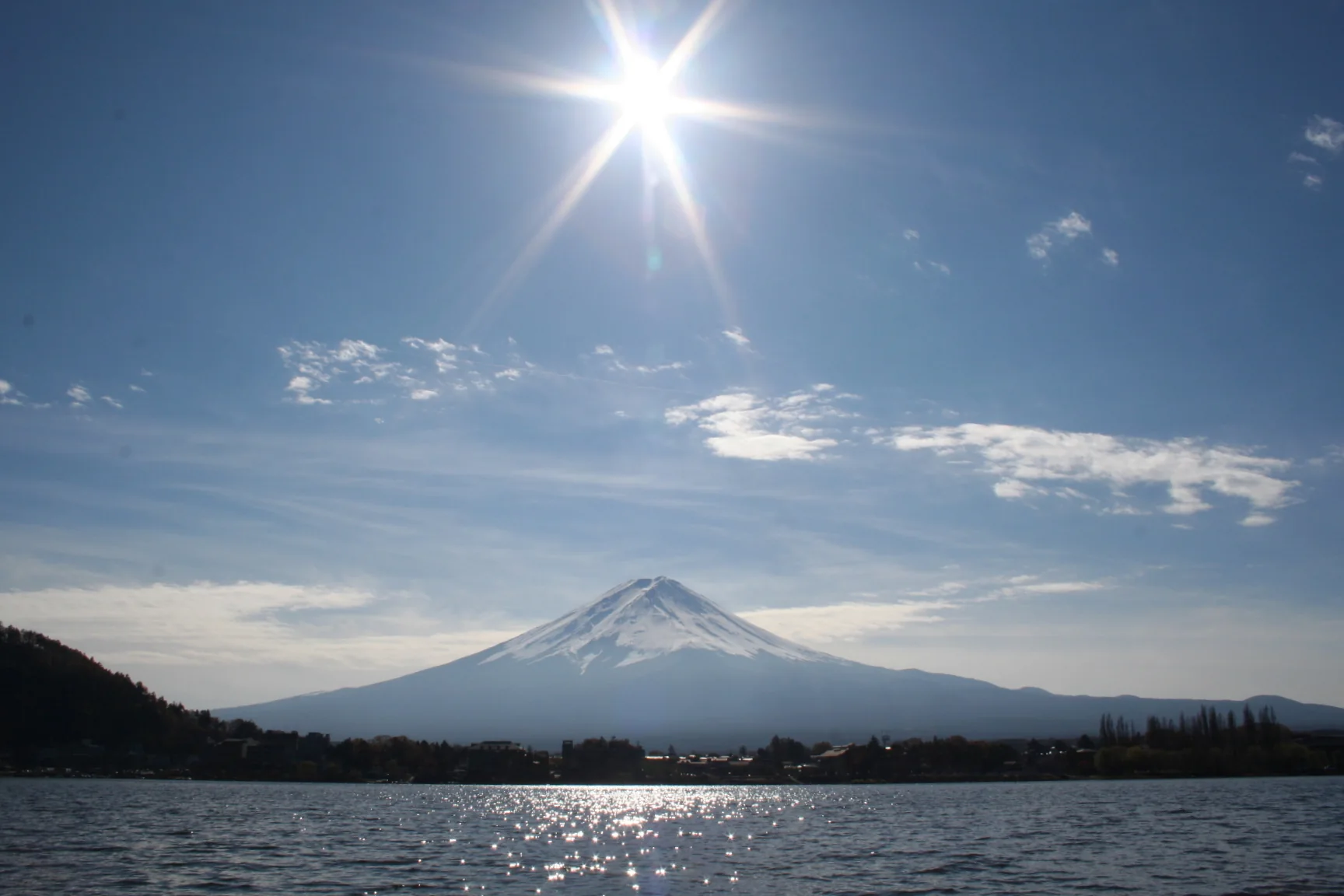
Mount Fuji can be part of a Japan trip without climbing it. Some travelers want the summit; others are happier with lake views, hot springs, photography or a day around the Fuji Five Lakes. That distinction matters because summit access is seasonal and regulated, while the wider Fuji-Hakone-Izu area offers year-round alternatives.
Current climbing rules to check before booking
For 2026, the official Mount Fuji climbing site lists the Yoshida and Subashiri trails from July 1 to September 10, while the Fujinomiya and Gotemba trails open July 10 and close September 10, subject to weather and remaining snow. A 4,000-yen hiking fee applies, and entry is restricted from 2 p.m. to 3 a.m. unless the climber is staying at a mountain hut. Trail-specific rules and access can change, so confirm the official Mount Fuji climbing site before booking transport or accommodation.
How to get there
Travelers reach different Fifth Stations by combinations of train and bus, depending on the chosen trail and starting city. The Yoshida Trail is the most popular and accessible, while Fujinomiya, Subashiri and Gotemba offer different distances, gradients and crowd levels. Do not book a bus simply because it says “Fuji”; confirm that it serves the exact trailhead you intend to use.
Climb or sightsee?
The summit is 3,776 meters high, so altitude sickness, cold, wind and fatigue are real concerns even in the official season. People who do not want the climb can base themselves around Lake Kawaguchi or another Fuji Five Lakes location, visit viewpoints, stay in a ryokan or onsen area and enjoy the mountain without summit risk. This creates useful future affiliate sections for Tokyo-to-Fuji transport, lake hotels, ryokan stays, guided hikes and day tours.
Where to stay
Lake Kawaguchi is one of the most convenient bases for famous Fuji views and visitor services. Climbers may prefer a hotel near their departure transport plus a reserved mountain hut if the itinerary requires it. Tokyo day trips are possible for sightseeing, but an overnight stay gives better flexibility when cloud hides the mountain for part of the day.
Planning around weather
A clear photograph is never guaranteed. Mount Fuji can disappear behind cloud even when conditions at lower elevation feel pleasant. Build flexibility into the schedule and avoid promising sunrise or summit visibility. For climbers, follow official weather and trail information rather than general city forecasts.
Sources and planning references
- Japan National Tourism Organization Fuji guide: https://www.japan.travel/en/fuji-guide/
- JNTO Mount Fuji climbing guide: https://www.japan.travel/en/fuji-guide/mt-fuji-climbing-guide/
- Fuji-Hakone-Izu National Park: https://www.japan.travel/national-parks/parks/fuji-hakone-izu/explore/
- Official Mount Fuji climbing rules: https://www.fujisan-climb.jp/en/things-to-know-before-climbing/
Photo credit
Featured photograph: Subramaniam K V, CC BY 3.0. The photograph is resized and converted to WebP for web delivery.


