
Football After the 2026 World Cup: Why the Game Never Really Stops
Football after the 2026 World Cup moves quickly to recovery, transfers and club competition as the Premier League and Europe prepare to restart soon.
By Wajeeha Iqbal
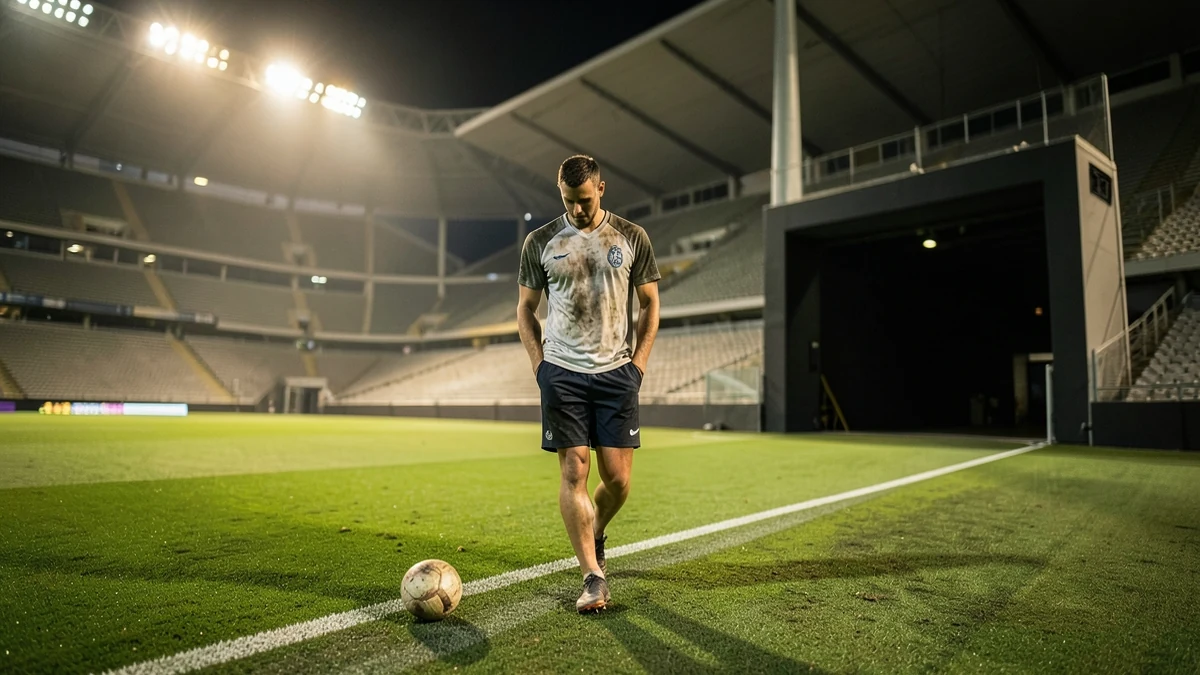
Football after the World Cup 2026 has barely had time to breathe. Spain defeated Argentina 1–0 after extra time on 19 July, ending the first 48-team men’s World Cup across Canada, Mexico and the United States. On 10 August, the final is only three weeks old. Some supporters are still replaying it; club coaches are already counting training days.
The Premier League’s opening match round is scheduled to begin on 21 August 2026, according to the league’s published season dates, with other domestic and European competitions moving through their own preparations and qualifying rounds. Players who went deep into the World Cup have crossed from a month-long national spectacle into recovery, medical assessment and a new tactical environment. Football never really stops because several calendars overlap—and because the industry surrounding the game has learned to turn every ending into a beginning.
From national emotion back to club routine
A World Cup organizes football around flags, short tournaments and knockout drama. Players who are rivals for most of the year suddenly share a dressing room; club supporters temporarily cheer for opposing stars. When the tournament ends, those relationships reverse again.
The switch is emotionally uneven. Spain’s champions return with celebration, media duties and the exhaustion of a successful run. Argentina’s players carry the pain of a final lost in extra time. Teams eliminated earlier had more rest but may return with disappointment or public criticism.
Club football asks for a different loyalty almost immediately. A forward who missed a decisive chance for his country may be expected to lead the line for a club days later. Supporters who criticized an opposing international player may welcome him back if he wears their colors. The game changes scale without erasing what just happened.
Recovery is not simply a holiday
Elite players leave a World Cup with accumulated physical load from matches, travel, training, heat and disrupted sleep. Some played limited minutes; others completed extra time repeatedly. A uniform return date would ignore those differences.
Recovery involves medical screening, sleep, nutrition and a gradual return to high-intensity work. Minor injuries suppressed during a tournament may need treatment. Mental decompression matters too. The concentration required for knockout football cannot be maintained indefinitely.
Clubs face a tension: protect valuable players while preparing them for competitive matches. A late return reduces tactical training; an early return increases fatigue and injury risk. FIFPRO and player-health specialists have repeatedly argued for stronger minimum rest safeguards in crowded calendars. The 2026 transition makes that debate visible.
Rest does not mean complete inactivity for several weeks. Conditioning staff design individual programs so players retain a base while reducing strain. The objective is not to win the first training session; it is to remain available across the season.
Preseason is different after a World Cup
For players who did not attend the tournament, preseason may have begun normally: fitness tests, training camps, friendly matches and tactical work. World Cup participants enter that process late and at different stages.
A coach might have spent weeks teaching a pressing system only to receive key players shortly before the first league match. Those players arrive from national teams that used different formations and physical demands. Automatic club movements—when to press, where a fullback moves, how set pieces are organized—must be restored quickly.
Commercial preseason tours add travel and sponsor obligations. They are valuable for global supporters and club revenue, but they do not reproduce the stable preparation coaches prefer. A World Cup summer compresses the space for experimentation.
The transfer market changes the dressing room
Major tournaments influence perception. A player who performs well in a few high-profile matches may attract attention, while a regular club performer who barely appears can fade from the conversation. Recruitment departments try to distinguish tournament form from long-term evidence.
Transfers continue around returning players, creating uncertainty about teammates and roles. A club may begin preseason without knowing whether a key player will leave or a target will arrive. New signings need tactical integration, housing and family arrangements while competitive pressure approaches.
This article does not list individual rumors because transfer reporting changes by the hour and many negotiations fail. The structural point is enough: the post-World Cup market compresses decisions into a period when clubs are also managing recovery.
For supporters, that uncertainty is part of August’s appeal. Every arrival represents a possible new shape for the team. Every departure produces a debate about loyalty, value and replacement.
The Premier League countdown
The Premier League confirmed that its 2026–27 opening match round would start on Friday, 21 August, and the final round would be played on 30 May 2027. That gives clubs with World Cup finalists just over a month between the final and the first league weekend—and players may receive part of that period as leave.
The league’s return restores the weekly rhythm familiar to supporters: predictions, fantasy teams, travel, local rivalries and the table’s early overinterpretation. Promoted clubs enter with optimism and immediate pressure. Established teams discover whether preseason ideas survive competitive speed.
The opening weeks can be deceptive after a tournament. Teams with many late returners may look less synchronized; clubs whose squads trained together longer may begin sharply. Depth matters because coaches can ease international players back rather than demand full matches immediately.
Europe is already in motion
European club competition does not wait for every major league to begin. UEFA’s 2026 calendar placed qualifying rounds for the Champions League, Europa League and Conference League across July and August. For clubs in qualification, the “new season” began while World Cup memories were still fresh.
Those matches carry enormous stakes. Qualification affects revenue, recruitment and the schedule for the entire year. Teams may play decisive European fixtures before their domestic systems are fully settled.
Later, league phases add travel and high-level midweek matches. Domestic cups and international windows layer further demands. The calendar feels continuous because different competitions start, pause and peak at different times.
Tactical ideas travel home from tournaments
World Cups are too short to prove that one tactic has permanently changed football, but they influence conversation. Coaches study pressing structures, build-up patterns, set pieces and how teams manage extra time. Players return with experiences from different staffs and teammates.
Club football has more training time than international football, allowing complex systems to develop. National teams often emphasize clarity and adaptability because preparation is brief. A successful World Cup approach may inspire clubs, but copying it without the same players or context rarely works.
The tournament also reveals individual versatility. A winger used centrally or a defender moved into midfield may offer a club coach a new option. The most useful lesson is often not a fashionable formation but evidence that a player can solve a different problem.
Supporters change the atmosphere again
The World Cup creates a vast international audience, including people who rarely watch club matches. Club football returns the game to specific places and inherited routines. The stadium is no longer a neutral tournament venue; it belongs to weekly relationships.
Supporters carry tournament stories with them. A returning champion receives applause. A rival becomes the subject of songs. New fans may choose a club because they followed one player during the World Cup. The international event feeds the domestic one.
There is also fatigue. Not every supporter can afford or emotionally sustain constant attention. Tickets, subscriptions and travel cost money. The claim that football “never stops” is exciting for broadcasters but can feel demanding for the people expected to follow everything.
Players are workers inside the spectacle
The continuous calendar is often discussed as entertainment supply: more matches, more competitions, more nights to watch. For players it is workload. Travel crosses time zones. Short recovery increases injury concern. International duty adds emotional and physical demands that club data may only partly capture.
Squad rotation and five substitutions help distribute minutes, but the best players are selected precisely because every competition matters. Young players can receive opportunities when stars rest, yet they can also be exposed too quickly.
Sustainable football requires coordination among leagues, federations, clubs and player representatives. No single coach can solve a global calendar by resting one midfielder. Commercial growth and player health must be negotiated rather than treated as separate worlds.
Why the game never really stops
Football is continuous because it operates at several levels. While one player rests, another is in qualification. While a league waits, transfers proceed. Academies train, stadiums prepare, broadcasters plan and supporters debate.
The sport also thrives on unfinished narrative. A World Cup answers one question—Spain are the 2026 champions—and immediately creates others. Which players will carry tournament form into their clubs? Which teams will adapt fastest? Which young player will become central before the next international window?
On 10 August 2026, no responsible answer should invent future results. What can be said is that the transition is already underway. The confetti has been cleared in New Jersey, European qualifying has begun, and the Premier League is less than two weeks from its scheduled opening round.
Football’s ability to renew itself is part of its beauty. Its refusal to pause is also a warning. The next match should feel like possibility, not an obligation that consumes the people who produce it. The best post-World Cup season will be one in which the excitement returns—and players are given enough time to return with it.


